
How to Find Your Personal Style: A Confidence Guide
Discover how to find your personal style with mood boards, style archetypes and a signature look, plus outfit styling tips that build real self-confidence.
 Yasmin Ferran8 min read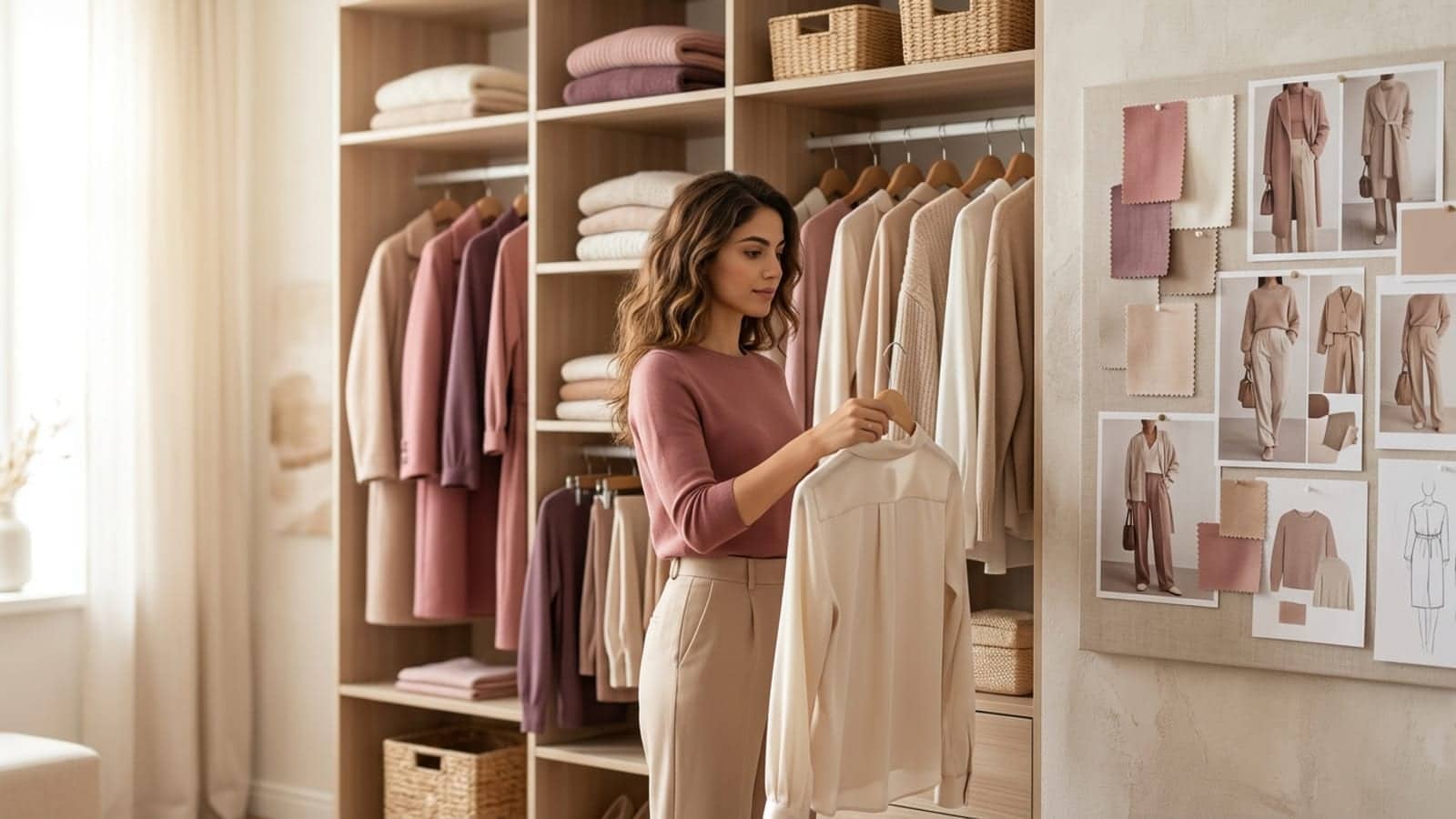
Table of contents
- Why Personal Style Matters More Than Trends
- Start With Style Discovery
- Build a Mood Board for Your Fashion Vision
- Reading Your Mood Board
- Explore Fashion Style Archetypes
- Define Your Signature Look
- Outfit Styling That Feels Like You
- Dressing With Self-Confidence
- Common Mistakes on the Style Journey
- Conclusion
Have you ever opened a full closet and felt like you had nothing to wear? Or bought something you loved on a model, only to feel like a stranger in it at home? That gap between the clothes you own and the person you want to look like is what finding your personal style is all about, and closing it is one of the most satisfying things you can do.
Personal style is not about following trends or copying anyone else. It is the visual language of who you are: the colors, shapes and pieces that make you feel most like yourself. When you get it right, getting dressed stops being a daily struggle and becomes a quick, joyful act of self-expression. You reach for things you love, they work together, and you walk out the door feeling good.
The beautiful truth is that anyone can find their personal style; it is a skill, not a gift reserved for the effortlessly chic. In this guide we will walk through style discovery, mood boards, style archetypes and how to define a signature look, all while building the kind of quiet self-confidence that makes any outfit shine. Let us begin the journey.
Why Personal Style Matters More Than Trends
Trends come and go every few months, and chasing them is exhausting and expensive. Personal style, on the other hand, is a compass. Once you know what suits you, you can look at any trend and decide instantly whether it belongs in your world or not, which saves both money and closet space.
Style you can call your own also does something deeper: it makes you feel at home in your clothes. There is a real link between what we wear and how we carry ourselves. When your outfit reflects the real you, you stop tugging and second-guessing and start moving through your day with ease.
That ease is the whole point. Fashion should serve you, not the other way around. A wardrobe rooted in personal style works quietly in the background, freeing your energy for everything that actually matters.
Start With Style Discovery
Style discovery begins with paying attention, and you can do a lot of it before buying a single thing. The goal is to gather clues about what already draws you in, because your instincts have been collecting data your whole life.
- Notice the outfits that make you feel most confident and comfortable.
- Look through your camera roll for photos where you loved what you wore.
- Identify the pieces you reach for again and again, and ask why.
- Pay attention to what you admire on others without wanting to copy it exactly.
- Note the clothes that hang unworn, and be honest about why they miss.
Write these observations down. Patterns will emerge quickly: maybe you always feel best in structured pieces, or you gravitate toward soft, flowing fabrics and warm colors. This early style discovery is the raw material for everything that follows, so take your time and be curious rather than critical.
Build a Mood Board for Your Fashion Vision
A mood board turns those scattered clues into a clear fashion vision you can actually see. It is a visual collection of images that capture the mood, colors and shapes you are drawn to, and it is the single most useful tool in the whole process.
Create one digitally on a pinning app or physically with magazine cutouts, whichever you enjoy more. Save outfits, but also save colors, textures, interiors, art and moods, anything that feels like your aesthetic. Do not overthink it; save on instinct and analyze later.
Reading Your Mood Board
Once you have thirty or forty images, step back and look for the threads that tie them together. Which colors repeat? Are the silhouettes tailored or relaxed? Is the mood polished, romantic, edgy or earthy? These recurring themes are your personal style taking shape in front of you, and they translate directly into a shopping and outfit styling plan.
Explore Fashion Style Archetypes
Style archetypes are helpful shortcuts, loose categories that describe common fashion aesthetics. You are almost never just one, but they give you vocabulary and a starting point. See which ones make you lean in.
- Classic: timeless, tailored, polished pieces that never date.
- Minimalist: clean lines, neutral tones and quality basics.
- Romantic: soft fabrics, florals, ruffles and delicate details.
- Edgy: leather, dark tones, structure and a rebellious streak.
- Bohemian: flowing shapes, earthy colors, prints and texture.
- Sporty or street: relaxed, comfortable, effortlessly cool.
- Dramatic: bold statements, striking shapes and high contrast.
Most people are a blend, and that blend is what makes your fashion sense unique. Perhaps you are eighty percent classic with an edgy accent, or romantic with a minimalist streak. If the polished, understated end of the spectrum calls to you, our guide to the old money aesthetic and quiet luxury is a rich place to explore further.
Define Your Signature Look
A signature look is the reliable formula you return to, the thing that makes an outfit unmistakably yours. It could be a color you always wear, a silhouette that flatters you, or a detail you love, like a red lip, gold jewelry or a perfectly tailored blazer.
To find yours, combine what your mood board and archetypes revealed. Choose two or three elements you want to become your calling cards, then build outfits around them. A signature look removes decision fatigue, because you are not reinventing yourself each morning; you are playing variations on a theme you already love.
This is also where a focused wardrobe pays off. When your clothes share a palette and a mood, everything mixes, and outfit styling becomes almost automatic. Our guide to building a capsule wardrobe of essentials shows you how to turn a defined style into a closet that actually works.
Outfit Styling That Feels Like You
Knowing your style is one thing; wearing it well is another, and outfit styling is the bridge between them. The good news is that a few simple techniques make even basic pieces look intentional and personal.
- Play with proportion: pair loose with fitted, cropped with high-waisted.
- Master the tuck, whether full, front or half, to sharpen any top.
- Layer thoughtfully with jackets, knits and scarves for depth.
- Let accessories carry your signature, from jewelry to a favorite bag.
- Repeat your palette so pieces mix effortlessly.
The real secret of outfit styling is experimentation. Try combinations at home, take photos, and keep the ones that feel right. Over time you build a mental library of go-to outfits, so getting dressed becomes fast and fun instead of stressful.
Dressing With Self-Confidence
Here is the part that ties everything together: self-confidence is what makes any outfit truly work. You can wear the most beautiful clothes in the world, but if you feel uncomfortable, it shows. Style and confidence feed each other in a lovely upward loop.
Start by dressing for the body you have today, not the one you wish you had. Wear clothes that fit properly and feel good to move in, because comfort reads as confidence. When an outfit lets you forget about your clothes and focus on your day, you have found something that works.
Remember, too, that self-confidence is built from the inside as much as the wardrobe. Your clothes are a tool, not a crutch. Our guide to building real self-confidence pairs beautifully with this one, because a strong sense of self is what lets your personal style truly shine.
Common Mistakes on the Style Journey
A few predictable traps slow people down. Knowing them in advance keeps your style journey enjoyable instead of frustrating, and saves you from a closet full of regrets.
- Copying someone else's look exactly instead of adapting it to you.
- Buying trend pieces on impulse without a clear personal style in mind.
- Ignoring fit, when tailoring is what makes clothes look expensive.
- Keeping items out of guilt even though they never feel right.
- Expecting instant results rather than trusting a gradual process.
Above all, be patient and kind with yourself. Finding your personal style is a journey of self-discovery, and every experiment, even the ones that miss, teaches you something about who you are and how you want to show up in the world.
Conclusion
Finding your personal style is not about rules, labels or spending more on fashion; it is about tuning in to yourself. Start with style discovery, build a mood board, explore the archetypes that speak to you, and define a signature look you can return to again and again. Then practice outfit styling until getting dressed feels easy and joyful. Along the way, let your growing self-confidence do the finishing work no garment can. Do this, and you will not just have a better wardrobe, you will have a clearer, warmer relationship with the woman in the mirror.
Frequently asked questions
How long does it take to find your personal style?
It is a gradual journey rather than a single moment, often unfolding over several months. As you experiment, keep a mood board and notice what you actually reach for, your signature look becomes clearer and more natural.
What if I like too many different styles?
That is completely normal and even a gift. Look for the common threads, such as favorite colors, silhouettes or fabrics, and blend them. Most people's personal style is a unique mix of a few influences, not one rigid category.
How do I find my style on a tight budget?
Start by shopping your own closet and building outfits from what you have. Use mood boards to plan, then add pieces slowly from secondhand shops. Clarity about your style actually saves money by preventing impulse buys.
Can my personal style change over time?
Absolutely, and it should. Your style naturally evolves with your life, your body and your confidence. Think of your signature look as a living wardrobe you refine over the years, not a fixed label you are stuck with.
Tools and guides you might find useful
Related articles
Hijab & Modest Fashion 2026: Elegant Style Guide
Discover modest fashion and hijab styling trends for 2026, from chiffon and jersey wraps to abayas, midi skirts and elegant outfit ideas for work and beyond.
9 min read
Girls Fashion Trends 2026: The Ultimate Style Guide
Explore the biggest girls fashion trends for 2026: key colors, silhouettes and must-have pieces, plus how to wear each trend and make it your own on a budget.
8 min read
The Old Money Aesthetic: Quiet Luxury Style Guide
Master the old money aesthetic of quiet luxury: timeless classic style, a neutral palette, quality over logos and outfit styling that works on any budget.
9 min read