
Living Room
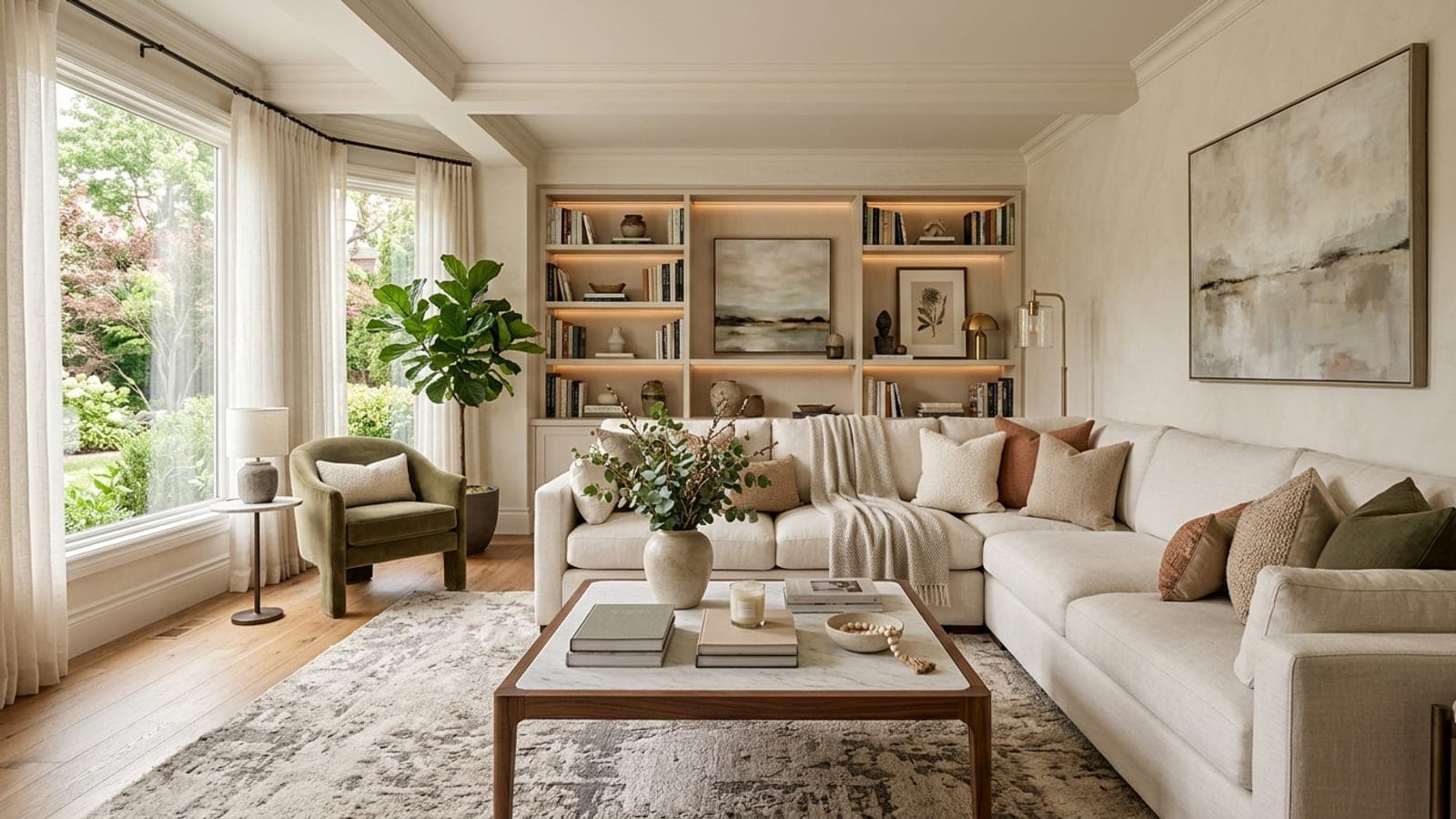
The living room is the beating heart of the home, where the family gathers and guests are welcomed. In this guide we walk you through creating a warm, comfortable space that reflects your taste without straining your budget. You will find practical ideas that work in real homes of every size.
Layout and Flow
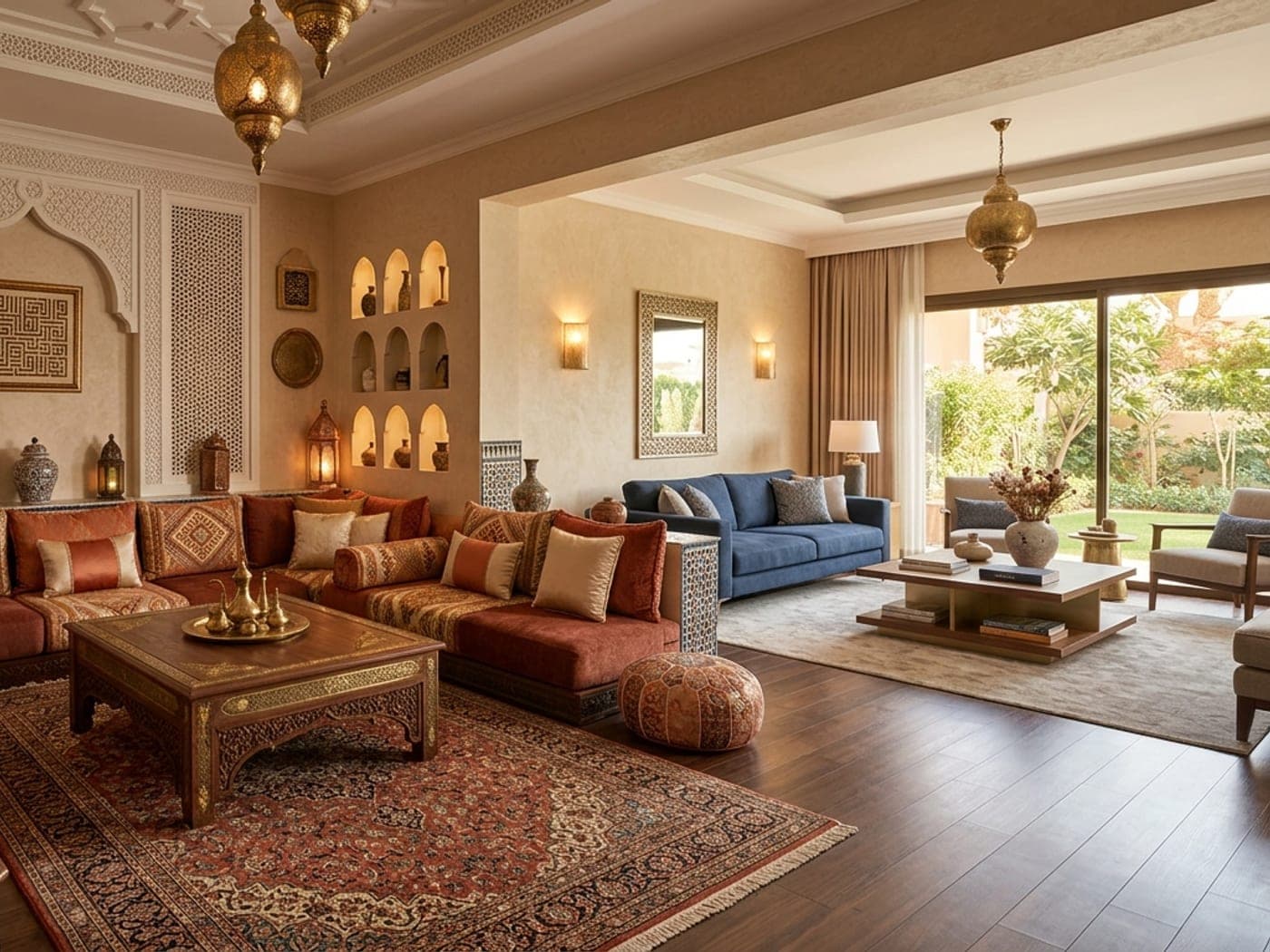
Before buying a single piece, sketch a simple plan of the room and decide on your focal point, whether that is a large window, a media wall, or a majlis-style seating nook for family gatherings. Arrange seats so people face one another for easy conversation, and leave walkways of at least sixty centimetres. Avoid pushing every piece against the walls; pulling furniture slightly inward creates warmth and intimacy. Think too about the flow between the entrance and the seating so guests move comfortably.
Choosing a Sofa and Seating
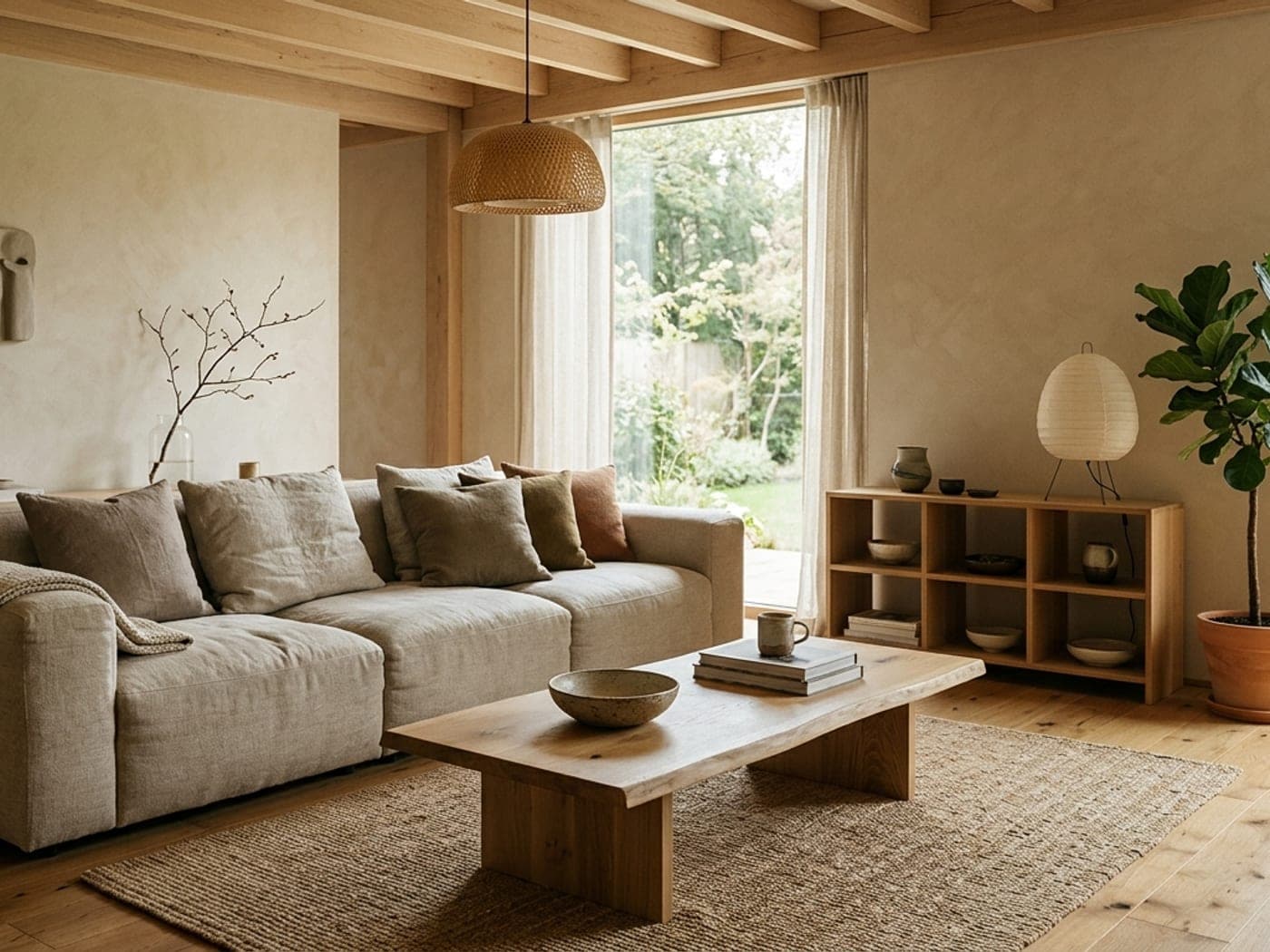
The sofa is the room’s biggest investment, so choose it carefully to balance comfort and durability. Measure your space first so you do not buy something oversized, and favour hard-wearing, easy-clean fabric if you have children. A neutral shade like beige or grey lets you refresh the look later with cushions alone. Add flexible extra seating, such as single armchairs or low poufs that come out when the whole family gathers; they are a smart solution for homes that welcome many guests.
Coffee Tables and Storage
A coffee table is more than a pretty object; make it work by choosing a model with drawers or a lower shelf to hide remotes and magazines. If space is tight, nesting tables or wheeled cubes give you flexibility when guests arrive. Keep its height close to that of the sofa seat so it is easy to reach. Do not overlook hidden storage such as ottoman boxes or a low media unit under the television, which keep the room tidy and free of everyday clutter.
Lighting and Ambience
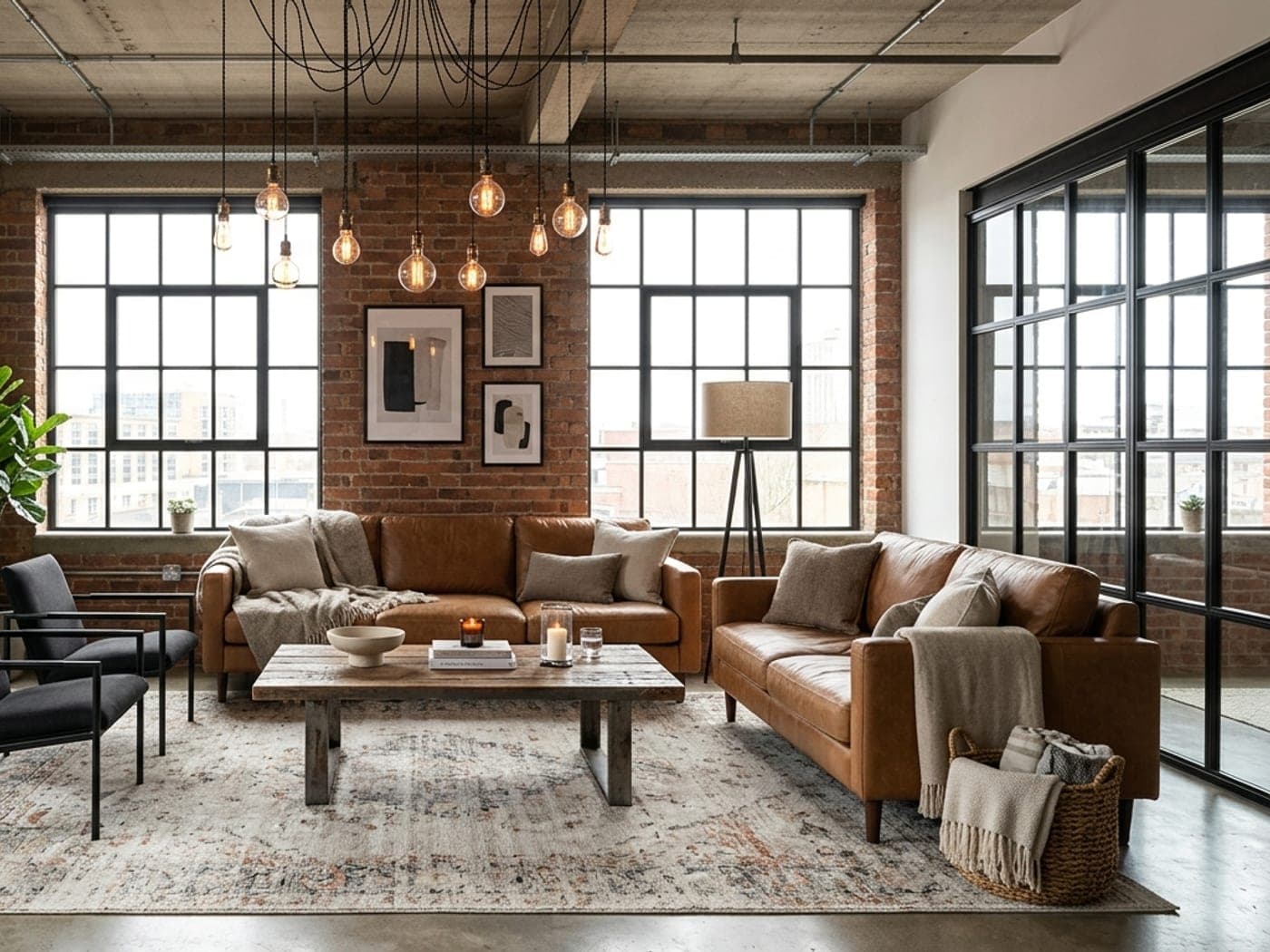
Lighting is the secret to a warm atmosphere, so never rely on a single ceiling fixture. Build three layers: general light from above, focused light for reading or a side table, and soft decorative light from lamps or safe candles. Choose warm-toned bulbs close to yellow for a restful evening feel, and add a dimmer switch where you can to shift the mood between a quiet family night and welcoming guests. Layered lighting transforms how a room feels with very little cost.
Textiles, Rugs and Cushions
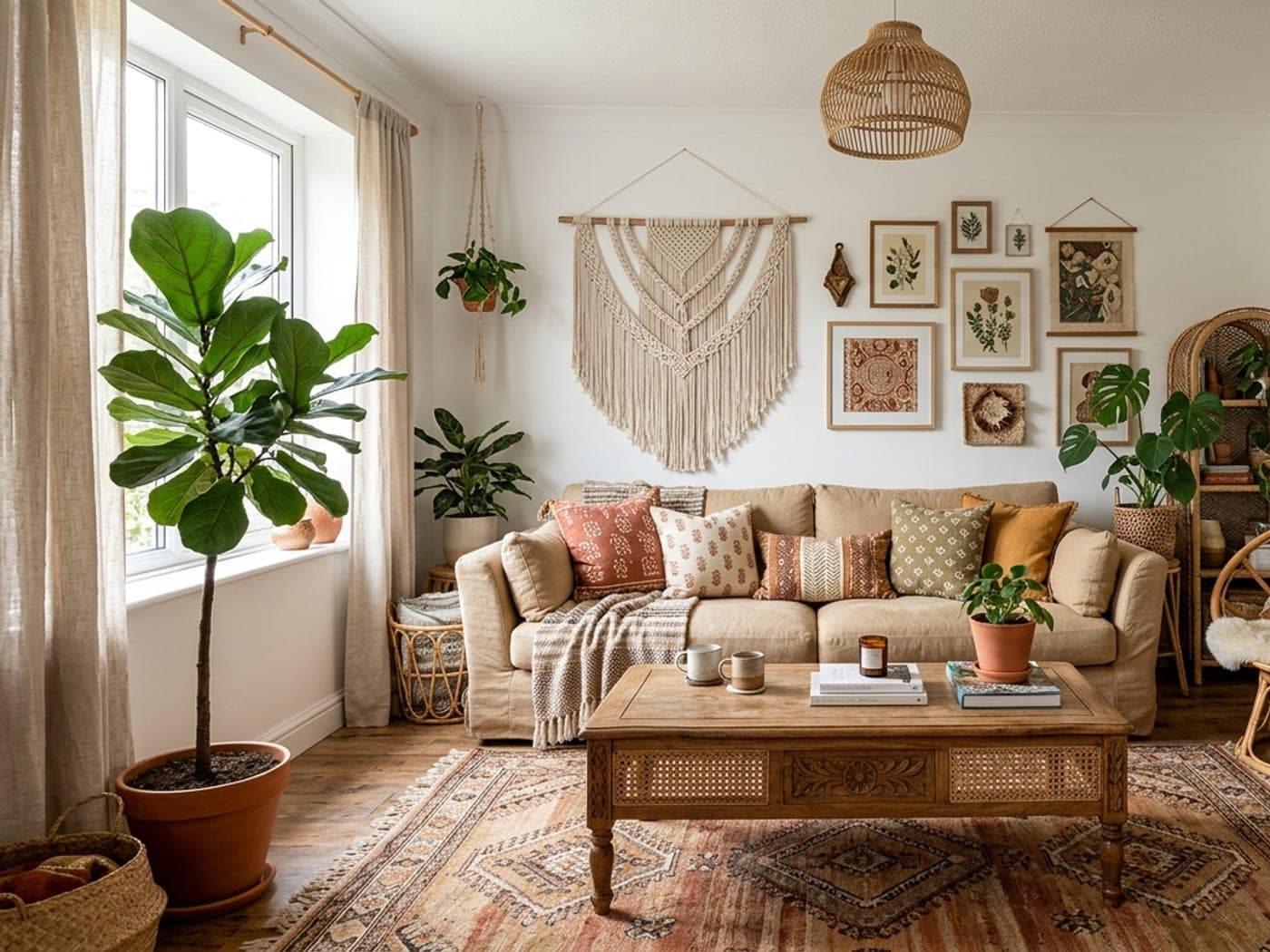
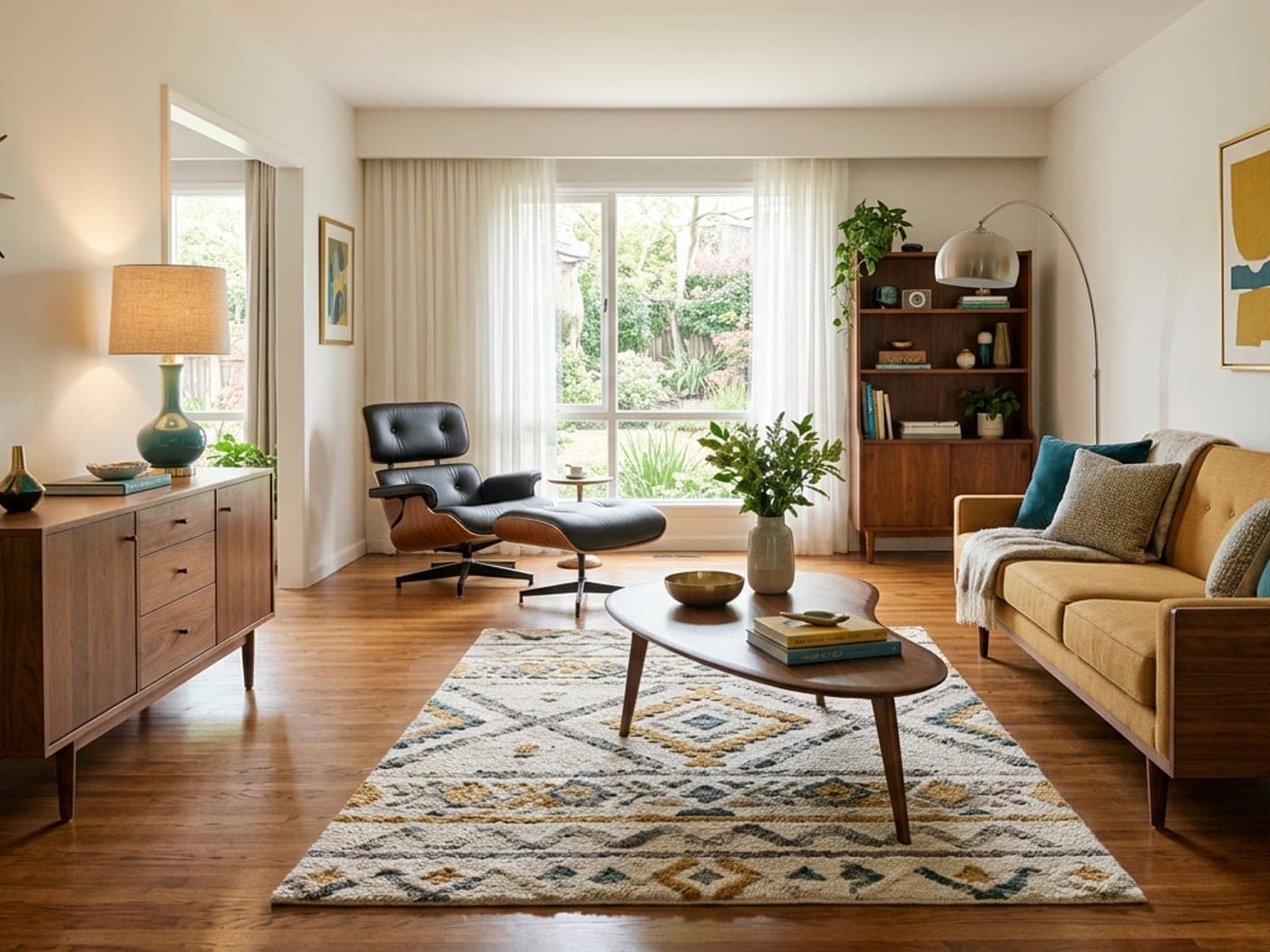
Textiles give a room its warmth and personality, and they are the easiest way to refresh a look on a modest budget. Choose a rug that anchors the seating area and is large enough to touch at least the front legs of the sofa. Mix textures such as cotton, linen and velvet in your cushions to create visual depth, and group them in odd numbers for a natural look. Drape a woven throw over one arm of the sofa to invite relaxation. Do not be afraid to blend earthy tones with one bolder accent that reflects your own taste.
Wall Decor and Personality
Walls are your chance to bring soul and your own story into the space. Hang a cluster of frames as a gallery wall, keeping the centre of the arrangement at roughly eye level. Mix artwork, family photographs and a piece of beautiful Arabic calligraphy that adds authenticity. Mirrors are a clever choice that bounce light around and make a small room feel larger. Add shelves for trailing plants or small keepsakes, and change them now and then so the room stays alive and truly expresses who you are.
Living Room ideas in every style
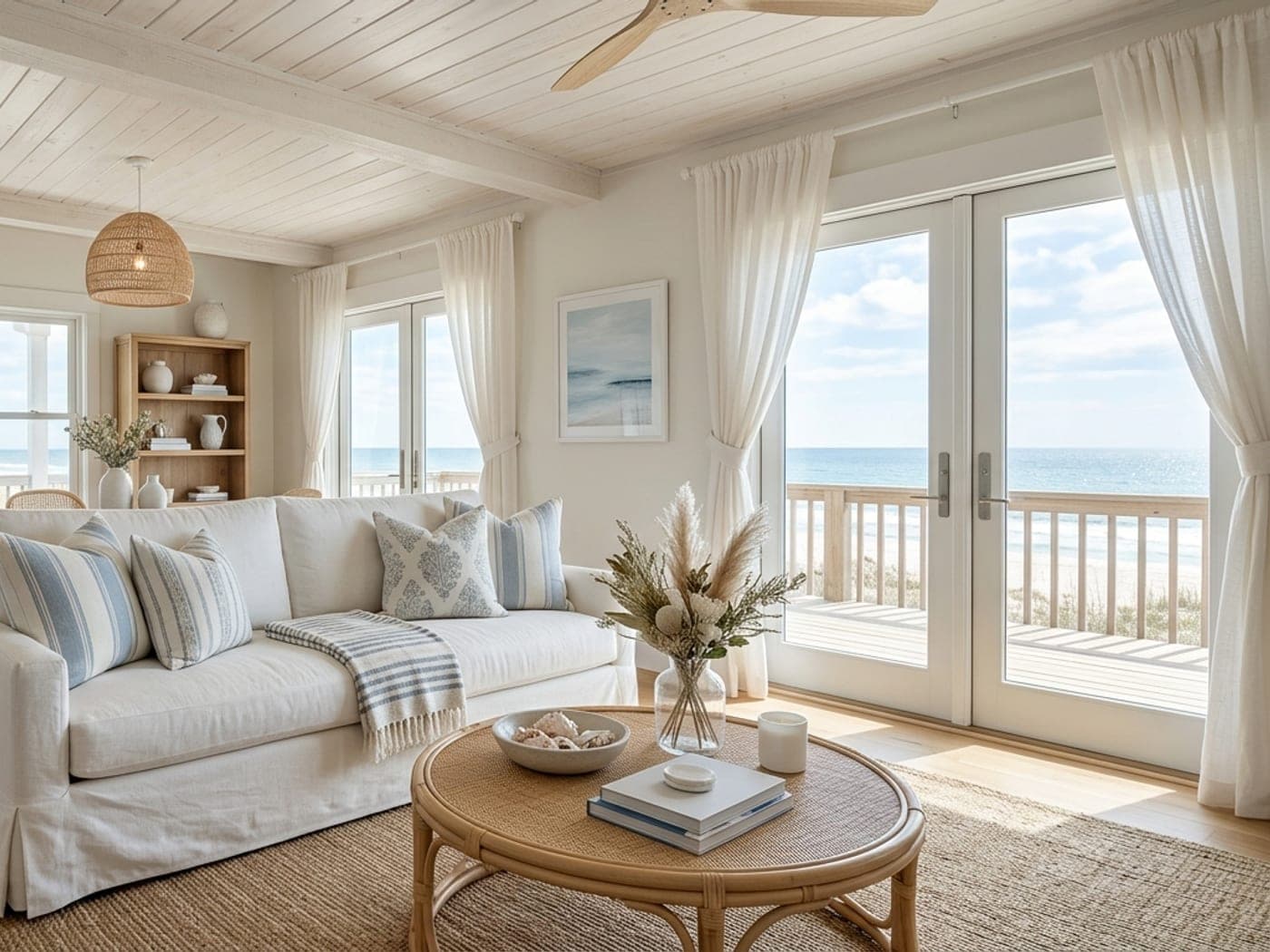
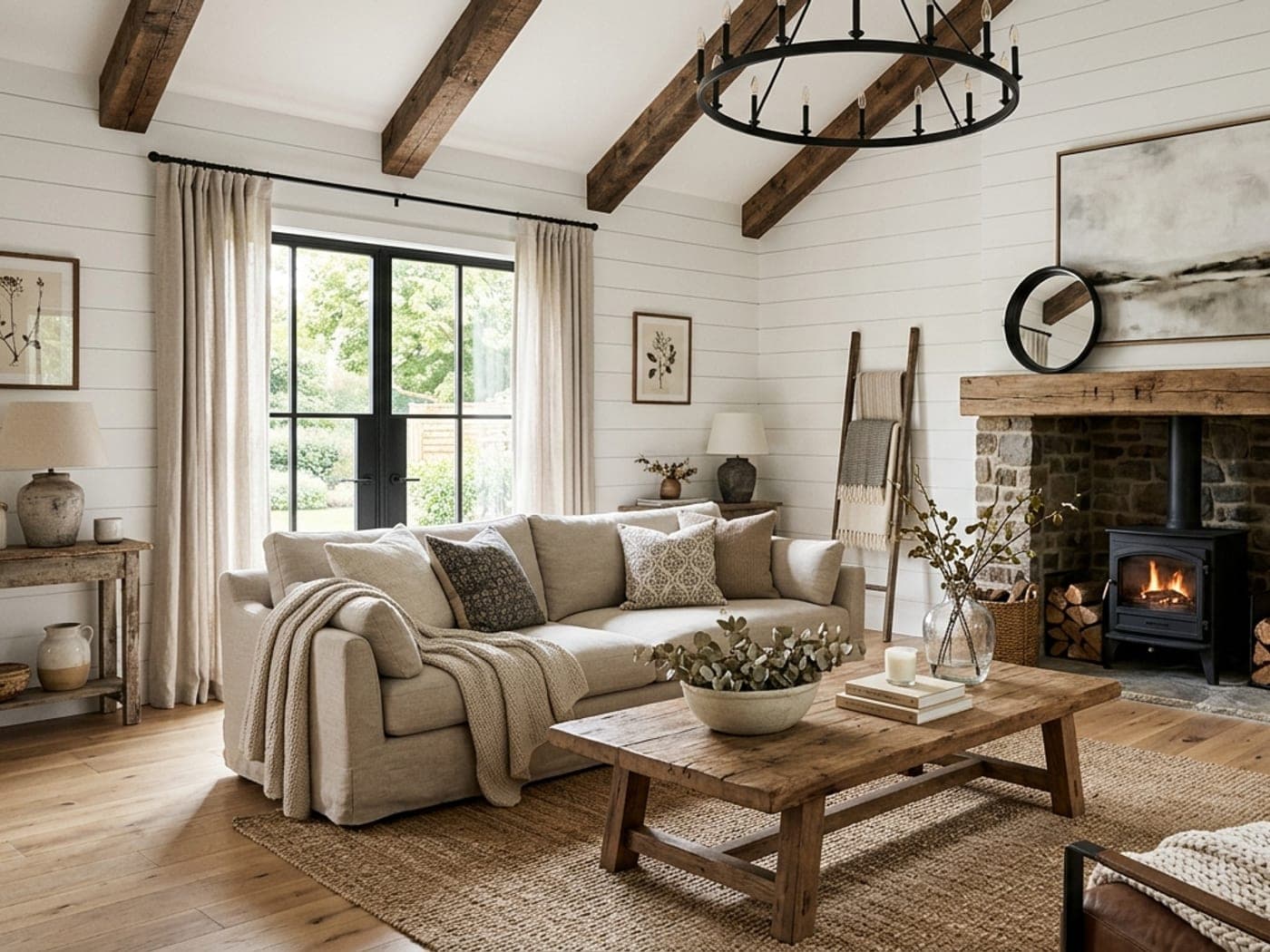
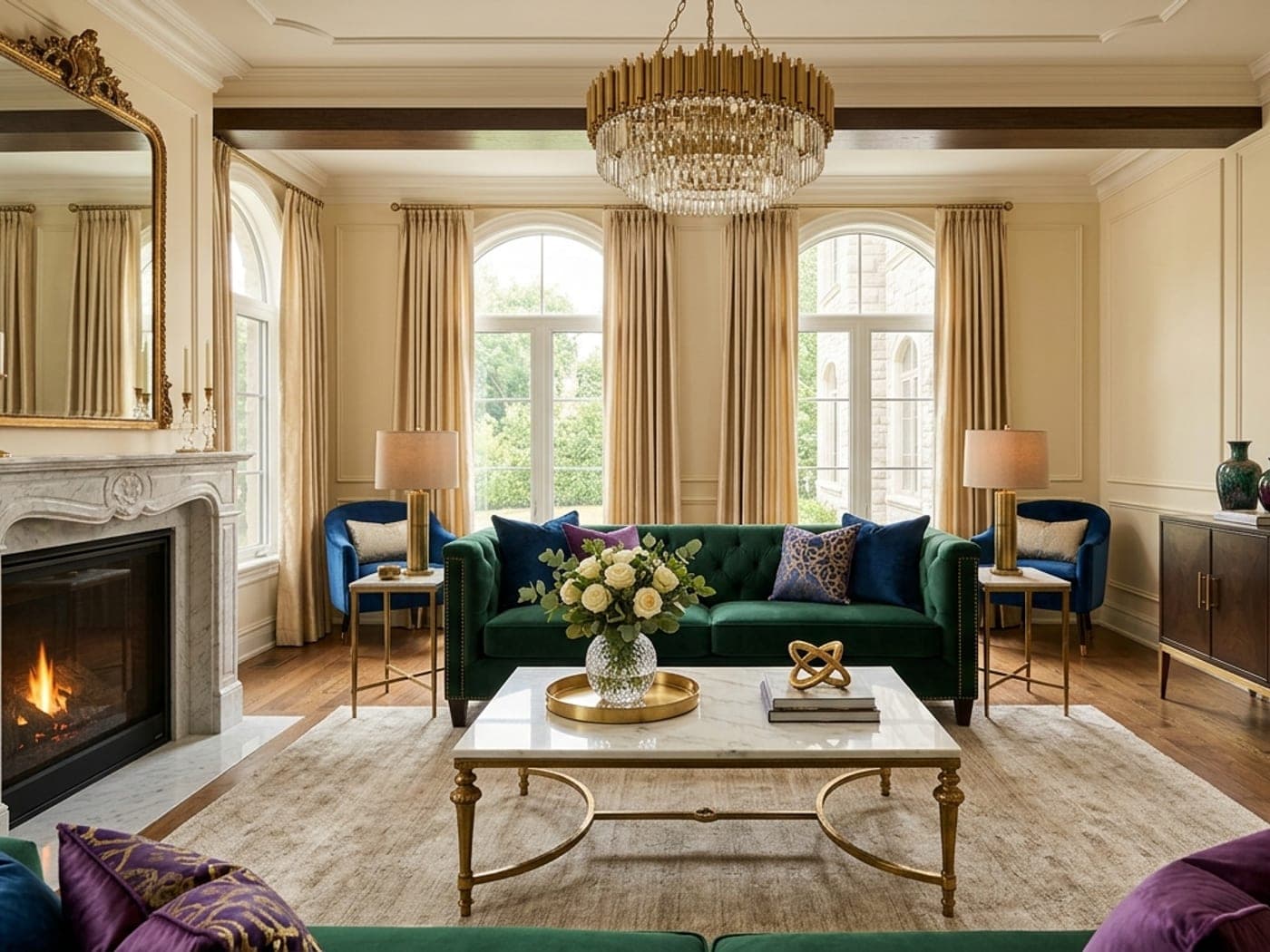
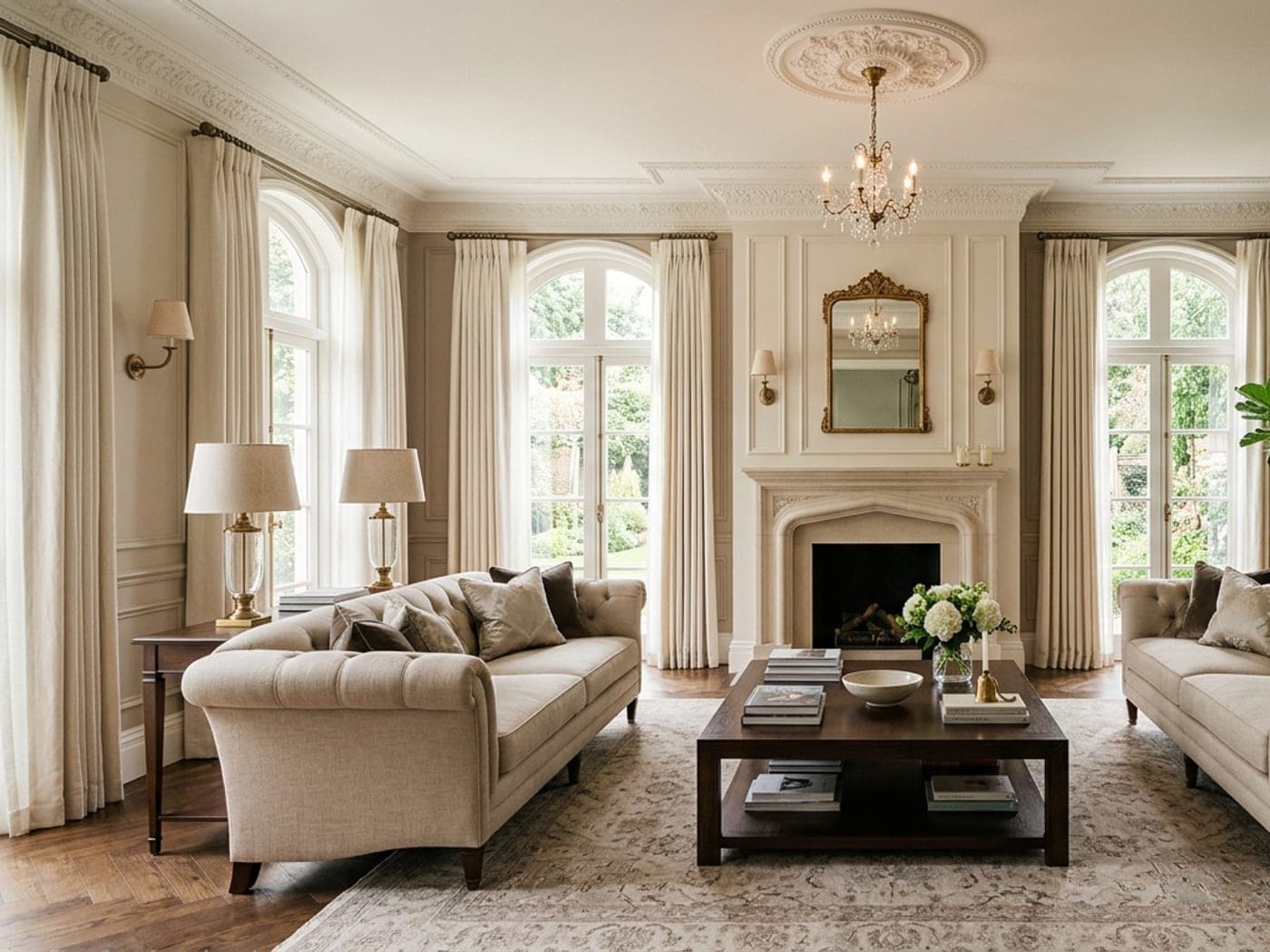
Frequently asked questions
What size rug should I choose for a living room?+
A safe rule is that the rug should be large enough to touch at least the front legs of the sofa, and ideally sit under all the seating. A rug that is too small makes the room feel disjointed, so measure your seating area and add about twenty centimetres on each side before you buy.
How do I make a small living room look bigger?+
Use light colours on the walls and furniture with raised legs that reveal the floor and suggest openness. Mirrors reflect light and double the sense of space, while vertical storage and high shelves use the walls instead of the floor. Avoid too many small pieces; favour fewer, practical items that serve more than one purpose.
What colour sofa is the safest choice?+
Neutral colours such as beige, grey and light brown are the safest because they stay in fashion and let you change the look easily with cushions and textiles. Keep bold colours for smaller pieces that are easy to swap later, giving you long-term flexibility without tiring of the look.
How can one room work for both family and guests?+
Make the main seating comfortable and durable for daily life, then add flexible seats such as single armchairs or low poufs that come out for a larger gathering. Movable tables and hidden storage make it quick to tidy before guests arrive, so the room stays both practical and elegant for every occasion.