
Sustainable Fashion: A Practical Guide to a Responsible Wardrobe
Sustainable fashion made simple: a practical guide to building a responsible, stylish wardrobe with secondhand finds, eco-friendly fabrics and mindful buys.
 Yasmin F.7 min read
Last updated: July 6, 2026
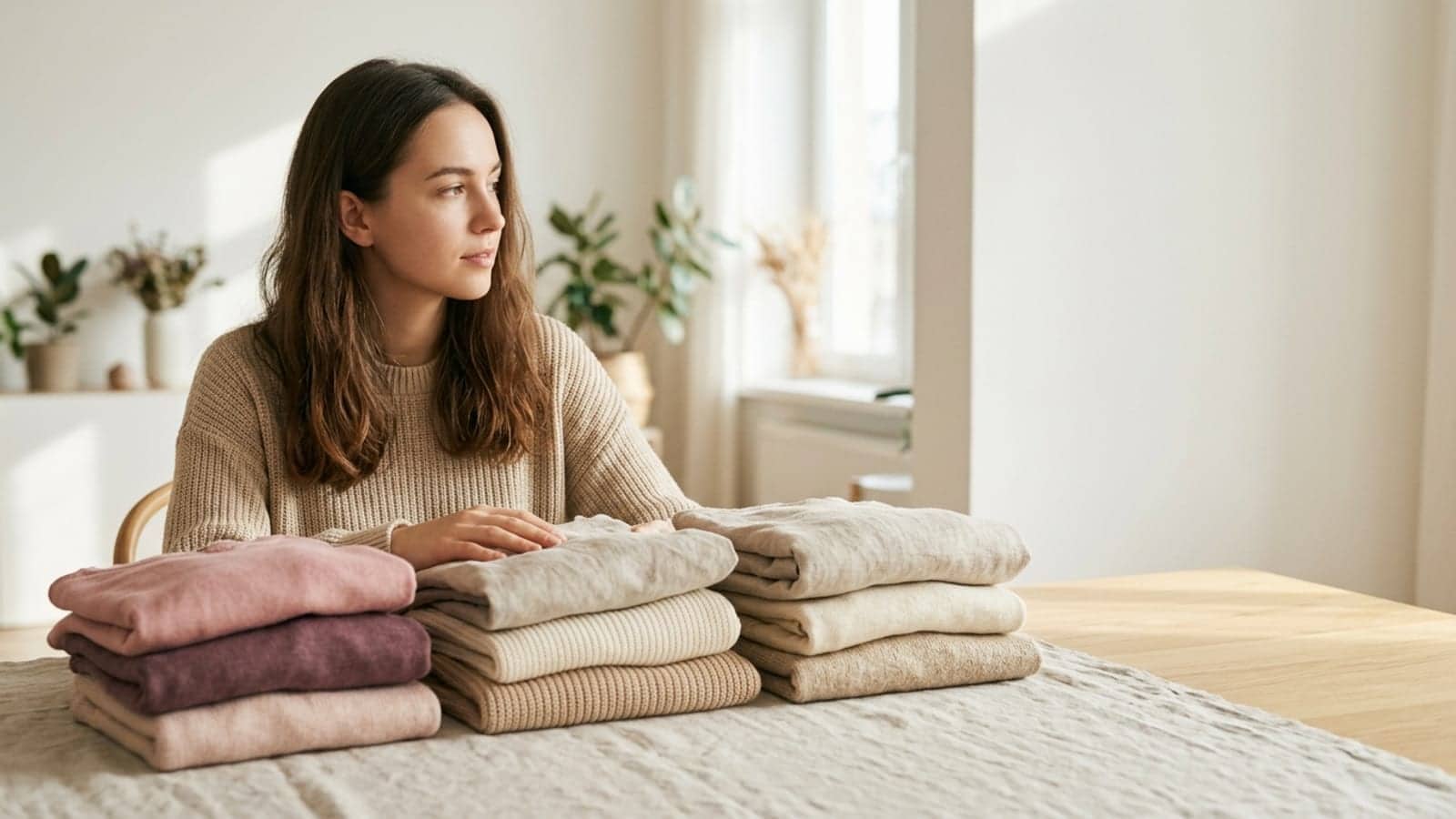
Table of contents
- A responsible wardrobe starts with one big clear-out
- The golden rule of slow fashion: buy less, but better
- Make secondhand clothing your first reflex
- The tricks of seasoned thrifters
- Decode fabrics and read the labels
- Build a capsule wardrobe that feels like you
- Care for it, repair it, make it last
- Anchor sustainable fashion in your everyday life
- Conclusion
Loving fashion and wanting to protect the planet: for a long time, we were led to believe we had to choose. Good news: that is false. The most modern style today is the one with a history, a conscience and a real point of view.
Because behind the racks of fast fashion hides a distinctly unglamorous reality: mountains of barely worn clothes, materials that pollute and trends that go out of style before they even reach your basket. Faced with this, sustainable fashion offers something else: buy less, choose better and wear longer. That is the whole philosophy of slow fashion, and it has as much to do with style as with ecology.
There is no need to revolutionize everything overnight, or to dress in burlap. Here is a concrete, step-by-step guide to building a responsible wardrobe that looks like you and lasts.
A responsible wardrobe starts with one big clear-out
The most ecological garment is the one that already exists in your closet. Before buying anything, treat yourself to an honest sorting session, coffee in hand and a motivating playlist in the background.
- Take everything out and try on whatever you are unsure about: keep what is worn, loved and your size.
- Create three piles: I keep, I repair or alter, I pass along.
- Rediscover forgotten pieces: a shirt relegated to the back can be reborn knotted, layered or belted.
- Photograph your favorite outfits to build your own lookbook and avoid the famous feeling of having nothing to wear.
This clear-out also reveals your real needs: there is no point buying a fifth little black dress when three are already asleep on their hangers. It is the starting point of any sincere sustainable fashion journey: knowing what you own before desiring anything else.
The golden rule of slow fashion: buy less, but better
Slow fashion rests on one simple idea: every new purchase should be a choice, not a reflex. Before heading to the checkout, ask yourself these questions:
- Will I wear it at least thirty times?
- Does it work with at least three pieces I already own?
- Would I still buy it if it were not on sale?
- Will the cut and the fabric stand the test of time?
If any doubt remains, let forty-eight hours pass. The craving rarely survives that delay, and your wallet will thank you. Over time, this little ritual becomes second nature: you still browse, you give in less, and every piece that enters your closet truly earns its place there.
Make secondhand clothing your first reflex
Thrift shops, consignment stores, resale apps, closet sales between friends: secondhand clothing has never been easier to find, or more stylish. It is the ideal playground for unearthing unique pieces at small prices, and the most direct way to shrink your wardrobe's footprint.
The tricks of seasoned thrifters
- Search by fabric and by cut rather than by brand: that is where the gems are hiding.
- Always check the seams, the zippers and the underarms before buying.
- Think of the men's and children's sections for oversized shirts and cozy sweaters.
- Set yourself a budget before walking in, because small amounts add up fast, even at the thrift shop.
- Save alerts on resale apps for the specific pieces you are hunting for.
And in the other direction, resell or donate what you no longer wear: a garment that keeps circulating is a garment that does not end up in landfill. Secondhand clothing works both ways, and that is precisely what makes it a virtuous circle.
Decode fabrics and read the labels
A responsible wardrobe is also decided by composition. Get into the habit of flipping the tag over before falling for anything.
The fabrics to favor: linen, Europe's champion of water sobriety, organic cotton, hemp, Tencel and certified wool. Recycled materials are another lovely option, especially for jackets and knitwear.
On the certification side, GOTS, Oeko-Tex and Fair Wear offer real guarantees. On the other hand, be wary of so-called conscious collections without a single verifiable detail: pretty green storytelling is no substitute for measurable commitments. When in doubt, one simple rule applies: the fewer specifics a brand gives, the more suspicious you should be.
Build a capsule wardrobe that feels like you
Once the clear-out is done and the right reflexes are in place, the next step is to give the whole thing a structure. The capsule wardrobe, a pillar of slow fashion, brings together around thirty pieces that almost all work with one another.
To put yours together without getting lost:
- Define a palette of three neutral colors and two accent colors that truly suit you.
- Secure the basics: a perfect pair of jeans, a white shirt, a blazer, a go-anywhere dress, a warm coat.
- Add a few statement pieces, thrifted whenever possible, that tell the story of your personality.
- Test every new arrival: if it does not create at least three outfits, it can wait.
The result: simpler mornings, more coherent outfits and far fewer regretted purchases. To refine your style through the seasons, our fashion section is full of ideas to adapt to your own wardrobe.
Care for it, repair it, make it last
Durability plays out as much in the washing machine as in the boutique. A few gestures spectacularly extend the life of your clothes:
- Wash at thirty degrees, less often, and air pieces out instead of washing them systematically.
- Dry in the open air: the tumble dryer is the sworn enemy of fibers and elastics.
- Learn three basic skills: sewing a button back on, taking up a hem, stopping a run in a knit.
- Entrust your precious pieces to a tailor: a few euros in exchange for years of extra life.
A well-cared-for garment is style that lasts and money saved. It is also a different relationship with what you wear: you no longer throw away a beloved piece over a missing button.
Anchor sustainable fashion in your everyday life
A responsible wardrobe is not a weekend project; it is a sum of small reflexes that eventually become second nature.
- Adopt the rule of one piece in, one piece out, to keep your closet breathing.
- Organize a closet sale with friends twice a year: convivial, free and zero waste.
- Rent rather than buy for big occasions, a wedding, a gala or a once-in-a-lifetime interview.
- Follow a few committed designers to feed your inspiration without feeding overconsumption.
And to save time every morning, prepare your outfit the night before: this little ritual, detailed in our seven-habit morning wellness routine, turns a sorted closet into a true everyday ally.
Conclusion
Building a responsible wardrobe is not a sacrifice; it is an upgrade for your style. By sorting what you own, buying less but better, making secondhand clothing a reflex and taking care of your pieces, you gain a wardrobe that is more coherent, more personal and lighter on the planet. Start small: a clear-out this weekend, a first thrifted find next month, a button sewn back on instead of a tee thrown away. Sustainable fashion is a path, not an exam, and every step counts. As for your style, it will only come out more assured.
Frequently asked questions
Does sustainable fashion necessarily cost more?
Not necessarily. Secondhand shopping, closet sales and swaps between friends make responsible fashion very affordable. And one quality new piece, worn for years, often ends up costing less than ten impulse buys that are quickly abandoned.
Which fabrics should I favor for a responsible wardrobe?
Organic cotton, linen, hemp, Tencel and certified wool are good options. Be wary of synthetic blends that are hard to recycle, and check for labels such as GOTS or Oeko-Tex on the tags.
How can I recognize greenwashing from a fashion brand?
A genuinely committed brand publishes precise information: manufacturing locations, exact materials, verifiable certifications. If the message is limited to vague words like conscious or eco-friendly without any proof, caution is in order.
Where should I start if I want a more sustainable wardrobe?
With a big clear-out of your current closet. Wear what you already own, repair what can be repaired, resell or donate the rest. Only then adopt the rule of buying less, better and secondhand whenever possible.
Related articles

Hijab & Modest Fashion 2026: Elegant Style Guide
Discover modest fashion and hijab styling trends for 2026, from chiffon and jersey wraps to abayas, midi skirts and elegant outfit ideas for work and beyond.
9 min read
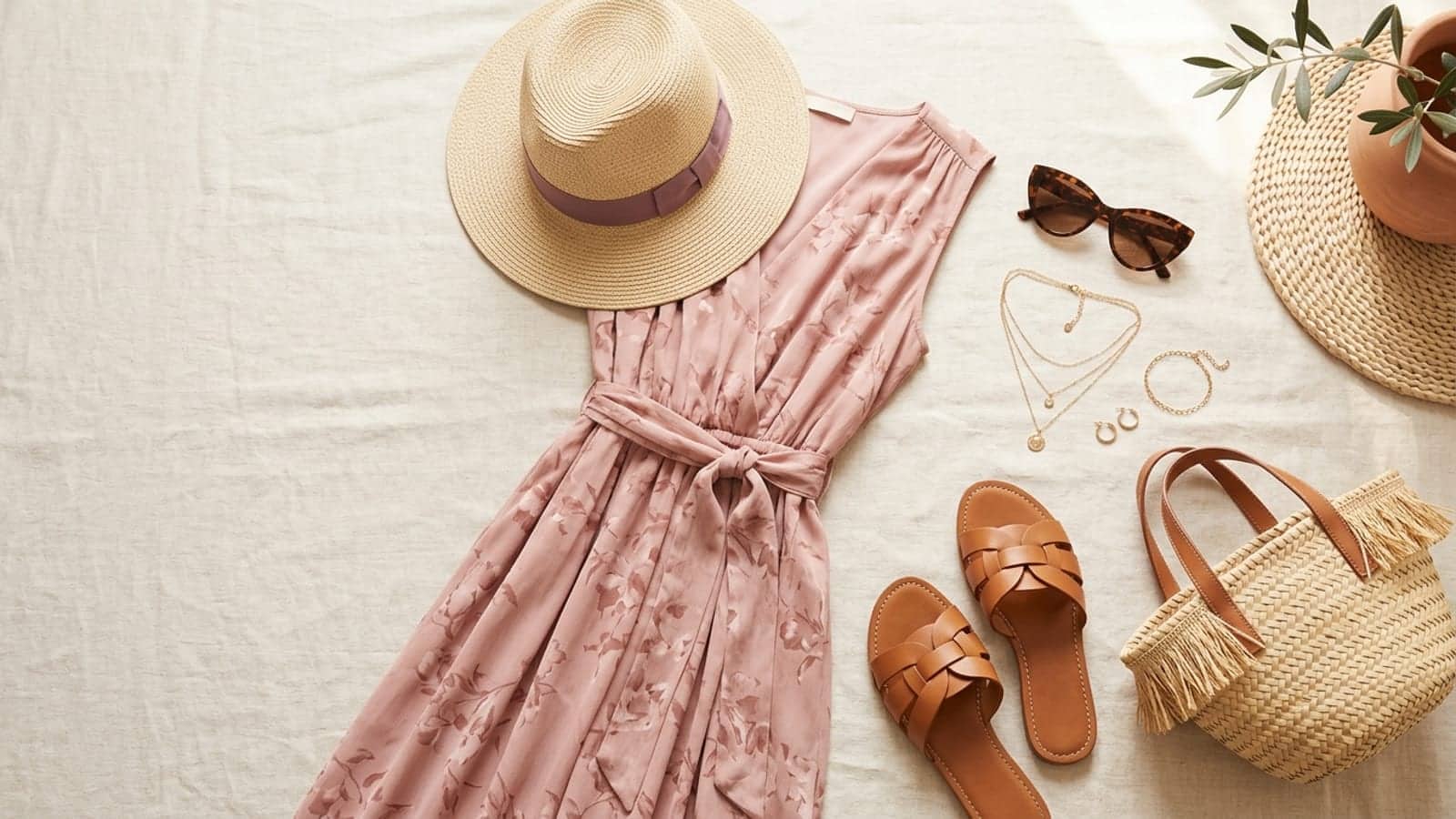
Summer Fashion 2026: Breezy Outfits & Trend Guide
Your guide to summer fashion 2026: the breeziest trends, fabrics and colors, plus easy summer outfits with dresses, co-ords, sandals and day-to-night looks.
8 min read
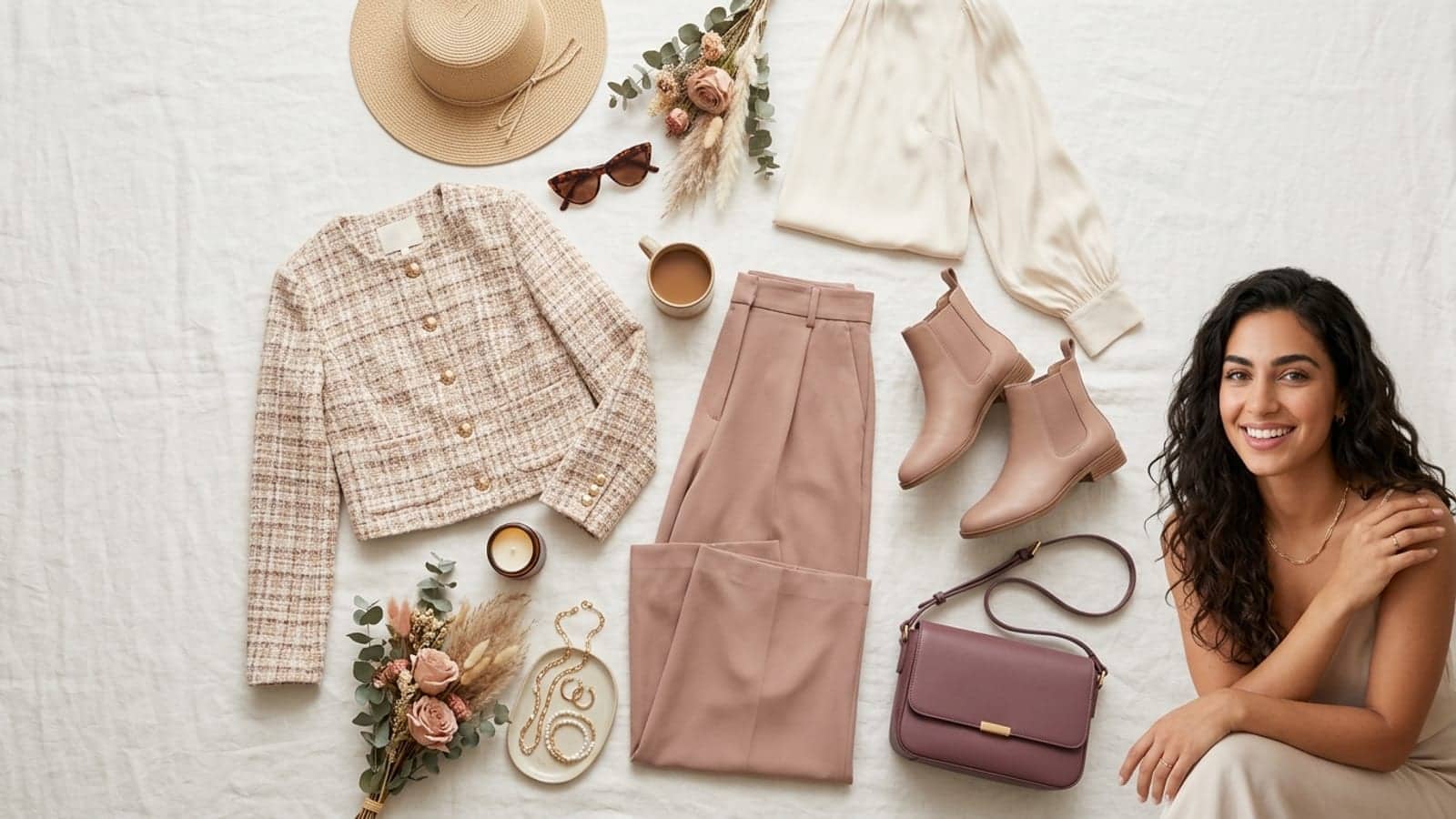
Girls Fashion Trends 2026: The Ultimate Style Guide
Explore the biggest girls fashion trends for 2026: key colors, silhouettes and must-have pieces, plus how to wear each trend and make it your own on a budget.
8 min read