
Everyday Nutrition for Women: A Simple, Balanced Guide
Everyday balanced nutrition for young women: macros made simple, iron and key nutrients, hydration, mindful eating, and gentle habits instead of extreme diets.
 Rania Idrissi7 min read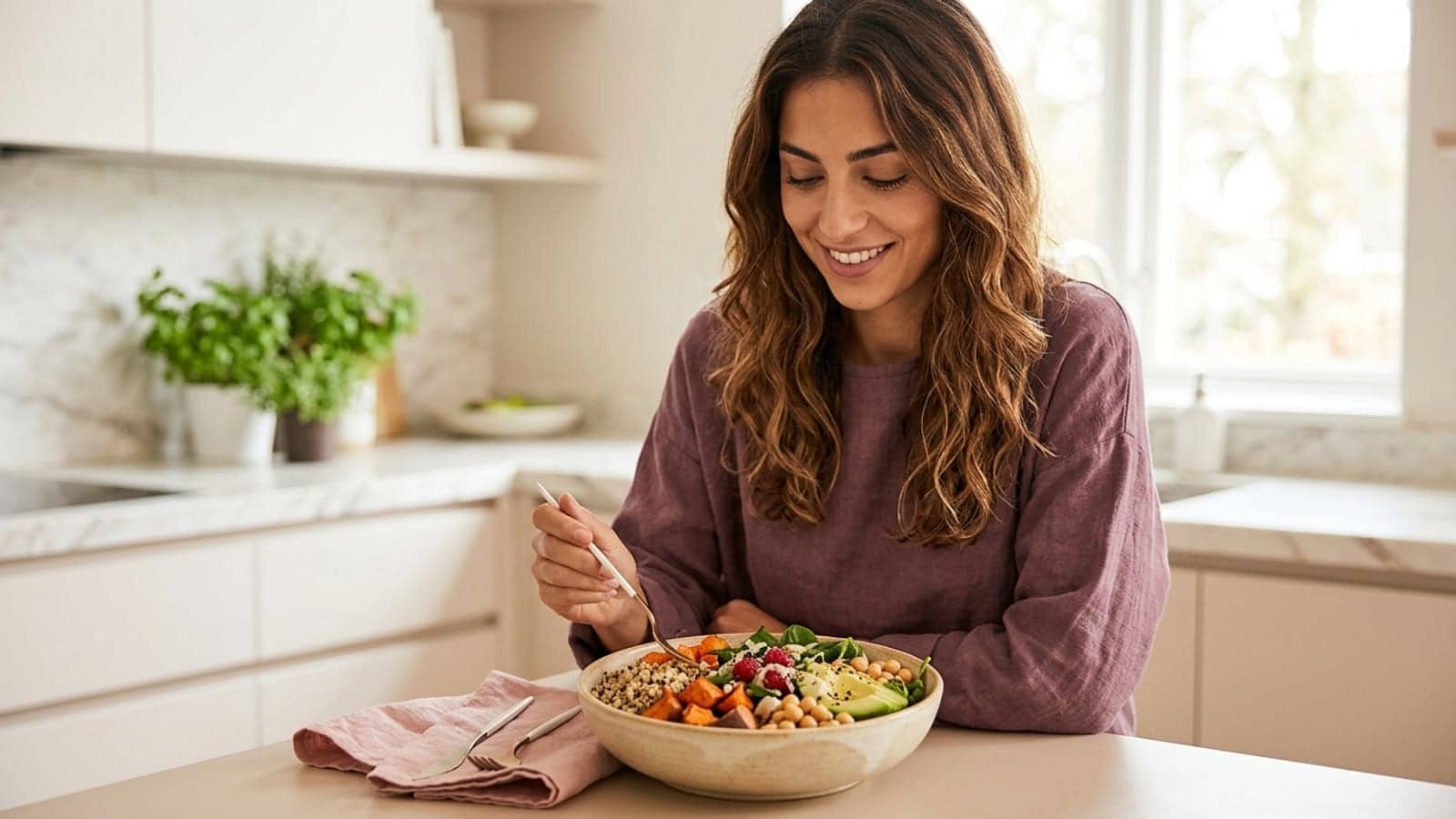
Table of contents
- Healthy Nutrition Basics: Macronutrients Made Simple
- Iron and Key Nutrients Every Young Woman Needs
- Hydration: The Quiet Pillar of Wellness
- Mindful Eating and Building Healthy Habits
- Small Healthy Habits That Add Up
- Why Extreme Diets Sabotage a Healthy Lifestyle
- A Simple Balanced Plate for Everyday Life
- Conclusion
If the word nutrition makes you picture strict rules, endless calorie counting, and a long list of forbidden foods, take a deep breath, because none of that is what nourishing your body is really about. Eating well as a young woman is far gentler and far more forgiving than the internet often makes it sound.
Healthy nutrition is simply the practice of giving your body enough of what it needs to feel steady, focused, and strong most of the time. It is not about perfection on a plate, but about patterns you can keep for years. In this guide we will unpack the basics simply: what macronutrients actually do, which key nutrients young women often miss, why hydration matters, and how mindful eating quietly beats every extreme diet. Along the way you will see how food connects to your morning habits that boost your energy.
Think of this less as a rulebook and more as a friendly conversation about food, one that leaves you feeling calmer and more confident the next time you open the fridge.
Healthy Nutrition Basics: Macronutrients Made Simple
At the heart of healthy nutrition are three macronutrients, and understanding them removes so much of the confusion. Protein rebuilds your muscles, hair, and skin and keeps you full, so aim for a source at every meal: eggs, yogurt, beans, lentils, chicken, fish, or tofu.
Carbohydrates are your main fuel, and they are not the enemy. Choose mostly slow ones like oats, whole grains, fruit, and legumes, which release energy gently instead of spiking and crashing. Fats are essential too, supporting your hormones and helping you absorb vitamins, so welcome olive oil, nuts, seeds, and avocado onto your plate.
You do not need to weigh or measure any of this. A simple mental picture works: some protein, some slow carbohydrate, some healthy fat, and plenty of vegetables. That single image is the backbone of a balanced approach to wellness that you can carry into any kitchen.
Iron and Key Nutrients Every Young Woman Needs
Beyond the big three, a few smaller nutrients matter enormously for women, and iron sits right at the top. Because of monthly cycles, many young women run low on iron, which quietly causes fatigue, pale skin, and trouble concentrating. Lean red meat, lentils, spinach, and pumpkin seeds all help, and pairing plant sources with vitamin C, like a squeeze of lemon or a few strawberries, boosts absorption.
Calcium and vitamin D protect your bones for decades to come, so lean on dairy, fortified plant milks, leafy greens, and a little sunshine. Omega-3 fats from fish, walnuts, and flaxseed support your mood and brain, while folate from beans and greens keeps your cells healthy.
You do not have to chase every nutrient in a single day. A varied, colorful diet across the week naturally covers most of these needs, which is exactly why variety, not restriction, is the real secret of good healthy nutrition.
Hydration: The Quiet Pillar of Wellness
Water rarely gets the attention food does, yet dehydration is one of the most common and overlooked reasons young women feel tired, foggy, or headachy by afternoon. Your body is mostly water, and even a small shortfall dims your focus and mood.
You do not need a rigid rule, but a gentle target of around one and a half to two liters a day is a good anchor, more when it is hot or you are moving a lot. Keep a bottle within reach, sip through the day rather than gulping all at once, and remember that herbal teas, fruit, and soups count too.
Building hydration into your routine is one of the easiest healthy habits to start, because it asks so little and gives back so much clarity and calm.
Mindful Eating and Building Healthy Habits
How you eat matters almost as much as what you eat. Mindful eating simply means slowing down enough to notice your food and your body: eating without a screen, chewing properly, and pausing to feel whether you are actually full.
When you rush, your brain misses the signals your stomach is sending, so you often eat past comfort and feel heavy afterward. Slowing down repairs that connection and lets your appetite guide you honestly again.
Small Healthy Habits That Add Up
- Eat sitting down, away from your phone, at least once a day.
- Keep regular meal times so hunger never spirals into a rushed, oversized meal.
- Fill half your plate with vegetables before adding the rest.
- Keep easy snacks like fruit and nuts nearby so good choices are the convenient ones.
- Allow yourself treats calmly, without guilt, so no food feels forbidden.
None of these ask for willpower or perfection. They are gentle healthy habits that gradually reshape your relationship with food, and that quiet consistency is worth more than any dramatic overhaul.
Why Extreme Diets Sabotage a Healthy Lifestyle
Every season brings a new extreme diet promising fast results, and almost all of them share the same flaw: they are impossible to keep. Cutting out whole food groups or eating far too little leaves you exhausted, irritable, and often heavier once the diet ends, because your body pushes back hard against deprivation.
A true healthy lifestyle is not built on suffering or on labeling foods as good and bad. It is built on balance, variety, and kindness toward yourself, meals you actually enjoy alongside the vegetables and protein that keep you strong. Food is also comfort, culture, and connection, and a plan that ignores that will never last.
If you ever feel food is controlling your thoughts or your mood, that is a signal to soften the rules, not tighten them. The same gentleness runs through our thoughts on glowing skin from the foods you eat, because a calm, nourished body shows on the outside too. Choosing a sustainable healthy lifestyle over a punishing plan is one of the kindest decisions you can make.
A Simple Balanced Plate for Everyday Life
Let us make all of this practical, because a good plate should be easy to picture at any meal. Imagine dividing your plate into three: half for vegetables or fruit, a quarter for protein, and a quarter for a slow carbohydrate, with a little healthy fat somewhere on top.
Breakfast might be oats with yogurt, fruit, and nuts. Lunch could be a grain bowl with beans, lots of salad, and olive oil. Dinner might be fish or lentils with roasted vegetables and rice. Snacks are simply smaller versions of the same idea: fruit with nuts, or yogurt with seeds.
This flexible template frees you from counting anything while quietly delivering the balance your body craves. Repeat it in your own favorite flavors, and healthy nutrition stops being a project and becomes simply the way you eat.
Conclusion
Nourishing yourself well is not about rules, guilt, or the newest extreme diet. It is about steady patterns: balanced plates, enough iron and key nutrients, honest hydration, and mindful eating that keeps you connected to your body. These gentle healthy habits protect your energy, your focus, and your mood far more reliably than any quick fix ever could. Start with one small change this week, perhaps a glass of water on waking or a vegetable added to lunch, and let it grow. Your body carries you through every day, and feeding it with care is one of the truest forms of self-respect and lasting wellness.
Frequently asked questions
Do I need to count calories to eat well?
No. For most young women, counting calories creates stress and rarely lasts. Focus instead on balanced plates, regular meals, and listening to your hunger. These gentle habits are far easier to keep and usually lead to steadier energy and a healthier relationship with food.
How much water should I drink each day?
A common guide is around one and a half to two liters daily, more if it is hot or you are active. Rather than obsessing over the exact number, watch your body: pale urine, steady energy, and few headaches usually mean you are well hydrated.
Are carbohydrates bad for me?
Not at all. Carbohydrates are your body's main fuel, especially for your brain and workouts. The key is choosing mostly whole sources like oats, fruit, beans, and whole grains, which release energy slowly and keep you full and focused for longer.
Why do I feel tired even though I eat enough?
Constant tiredness can come from low iron, skipped meals, too much sugar, or poor sleep rather than the amount you eat. If fatigue lingers despite balanced meals and good rest, it is worth speaking to a doctor and checking your iron levels.
Tools and guides you might find useful
Related articles

Better Sleep Guide: Sleep Well for Real Wellness
Learn how to sleep better with simple sleep hygiene, a calming evening routine, and healthy habits that turn restful nights into lasting wellness and energy.
7 min read

Gut Health Foods: Beat Bloating and Feel Lighter
Understand your gut microbiome the simple way: the best foods for gut health, fermented foods and fiber, how to reduce bloating, and the gut-skin link.
10 min read

Morning Wellness Routine: 7 Habits to Start Your Day Right
Discover a simple morning wellness routine: 7 easy habits to start the day right, from hydration and gentle movement to positive thoughts and steady energy.
7 min read